
Routine Faecal Egg Count
Approximately 15 g
per animal (Modified McMaster).
Sample collection & postage
Follow these steps to collect, label, pack and post your Routine Faecal Egg Count sample.
This is the amount to send, allowing enough material for testing and repeats. It is not the smaller amount the laboratory uses when it prepares the test.
Approximately 15 g
per animal (Modified McMaster).
Contact the laboratory if you are unsure about your collection.
Contact the laboratory
Weigh and measure the packed parcel before choosing postage.
Domestic Express Post • Other / own packaging • Postage only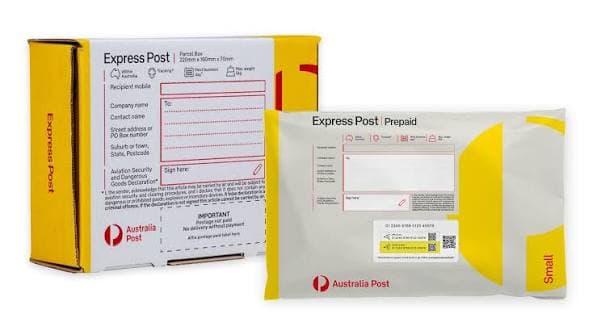
| Chargeable weight | Postage |
|---|---|
| Up to 250 g | $13.20 |
| Over 250 g to 500 g | $15.20 |
| Over 500 g to 1 kg | $20.00 |
| Over 1 kg to 3 kg | $24.75 |
| Over 3 kg to 5 kg | $32.95 |
Chargeable weight is the greater of actual packed weight and cubic weight. Packaging costs are extra.
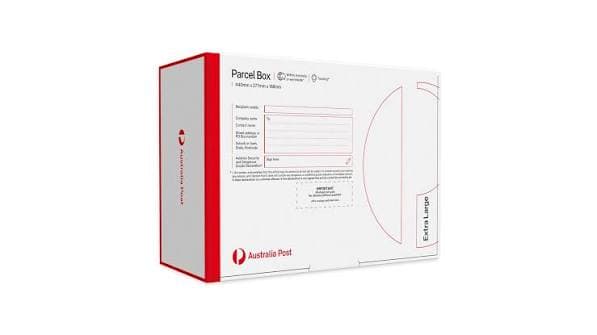
| Samples | Assumed chargeable weight | Postage per sample |
|---|---|---|
| 1 | 350 g | $15.20 |
| 5 | 800 g | $4.00 |
| 10 | 1.5 kg | $2.48 |
| 20 | 2.8 kg | $1.24 |
| 30 | 4 kg | $1.10 |
Hypothetical weights, not packing-capacity estimates. Per-sample amounts rounded to cents.
Illustrative only. Moore Biological sets the test price; Australia Post sets postage, which depends on your packed parcel’s actual weight and size. Packaging is extra.
Assumes chargeable weight 350 g.
Test $18 + Postage $15.20 = $33.20
Assumes chargeable weight 1.5 kg.
Tests $150 + Postage $24.75 = $174.75
Pack securelyFollow laboratory and carrier sample-packaging requirements.
Label every sampleInclude the sample identifiers and submission details.
Confirm before postingCheck acceptance, price and delivery estimate with Australia Post.
Rates checked 14 September 2026: auspost.com.au/expresspost. Prices may change. Other packaging rates shown; eligible Australia Post flat-rate packaging is priced differently. Confirm the quote for your parcel. Test prices are Moore Biological prices; totals exclude packaging and optional extras.